Brazilië Capricornio
Brazilië is ‘s werelds grootste koffieproducent ter wereld. Vele miljoenen balen koffie komen jaarlijks uit dit Zuid Amerikaanse land. Het is dan ook niet het eerste land waar je aan denkt als je denkt aan verantwoorde, duurzame direct trade koffie. Kleine koffieboeren helpen hun skills te verbeteren, een beter inkomen te vergaren en kleinschalige authenticiteit; dat is simpelweg niet waar het grootste deel van de Braziliaanse koffieproductie om draait…

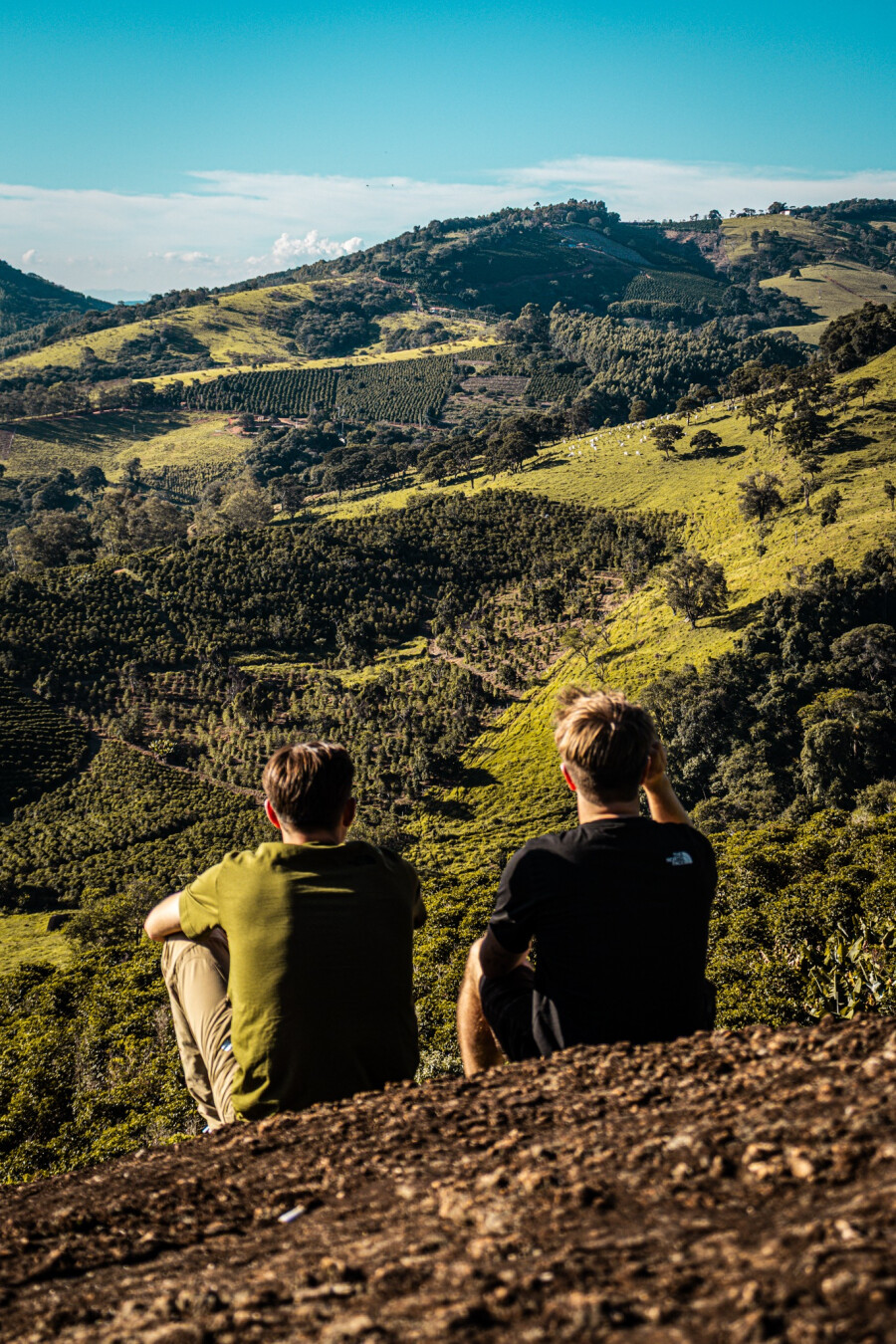
Update Brazil 2025
A backpack of questions.When we set out to go to Brazil earlier this month, we didn’t only pack our tropical blouses and sunglasses, but also a whole list of questions. The months prior to our departure we had a lot of talks with our partners of Capricornio and the producers, and how to go about the crazy coffee market of today. Our suggestion was to go deeper into our cost of production model, focusing on the real costs of the farms we work with and match prices accordingly. The Brazilian answer was to keep using the C-market, like they had been doing for years. We were very confused. What had we been doing all those years with our cost of production calculations? How come this very “real” and “human” solution was so not wanted? The intention of our trip was simple: to stop assuming and imposing, and just be open and curious about what we did and did not understand. |
The how and why of C.
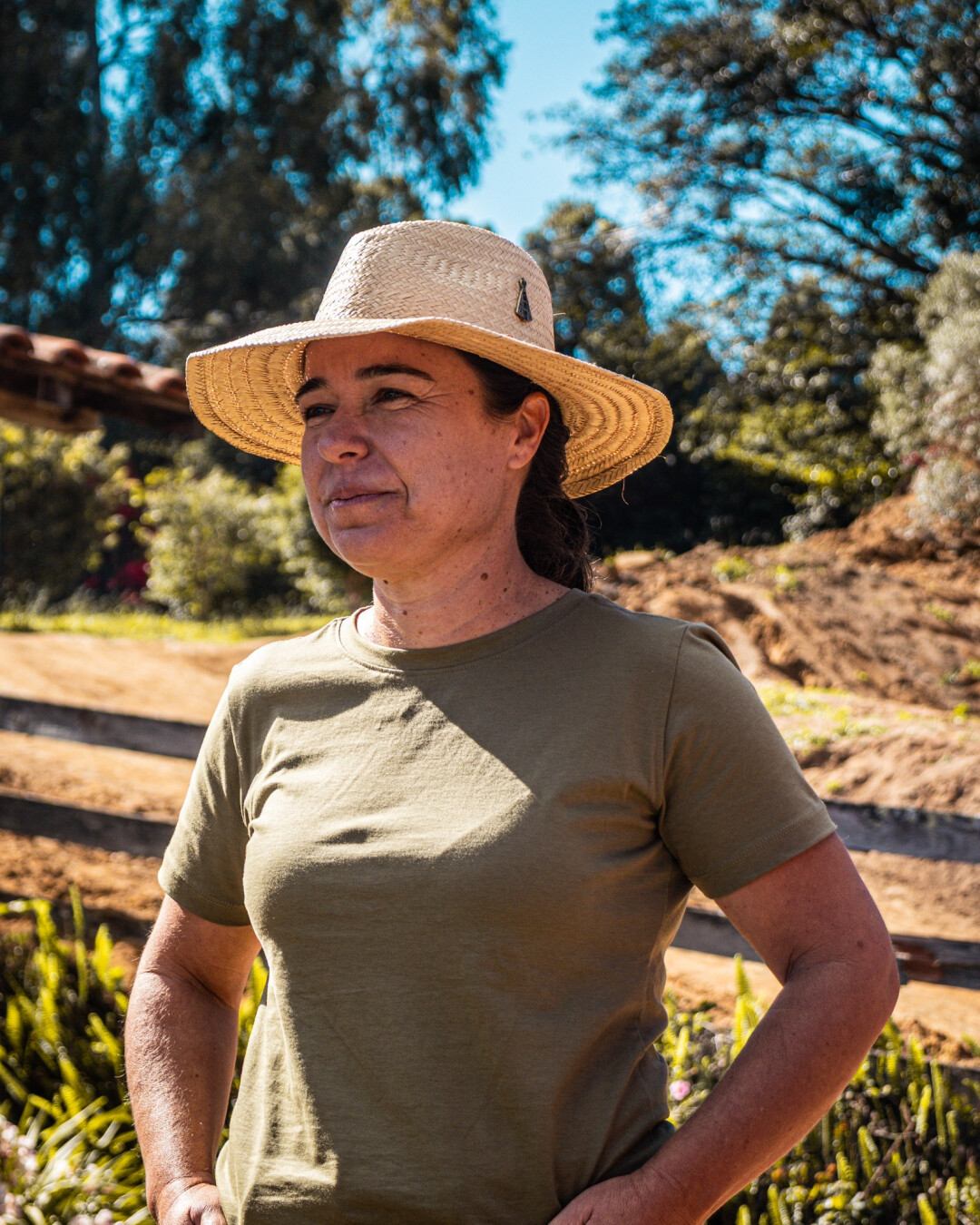
The very morning of us visiting the newly formed Women in Coffee group in Lavrinha, a hailstorm had hit the region. This year they were restoring most of their trees, and the hail can damage the leaves critically this period. As a response, the C-price jumped. In that moment, we saw it happening live: Brazil is so big, and so central to the global market, that its local weather alone can move prices. And in the market, when yields go down, prices tend to go up—creating a kind of natural safety net. At this point it was clear as day - our mission of trying to move away from the C market in Brazil was… misinformed.
With climate volatility only increasing, it’s understandable to lean on a system that takes this into account in some form. The only alternative when pre-harvest contracts are signed and locked is hoping for a forgiving buyer willing to renegotiate if things go wrong. At This Side Up, we’re more than willing. But let’s be honest—not many other buyers are, and even fewer have been in the past. Especially now, with high prices, the incentive to really try something else is understandably low. It’s simply not the right moment to challenge decades of a deeply rooted system.
When we sat down with Ellen from Fazenda Fronteira, she explained how essential it is for her to sell late in the season: only then she can assess what she has and commit without the fear of falling short and keeping her word and obeying her contract. The Women in Coffee group in Matão echoed this: each household decides when to sell, based on their own weighing of pros and cons, and also their cashflow needs. Some go early to fund the harvest, others wait and bet on a higher price. That freedom is part of their strategy, their reality, and in a way: their culture.
The Matão Differential.
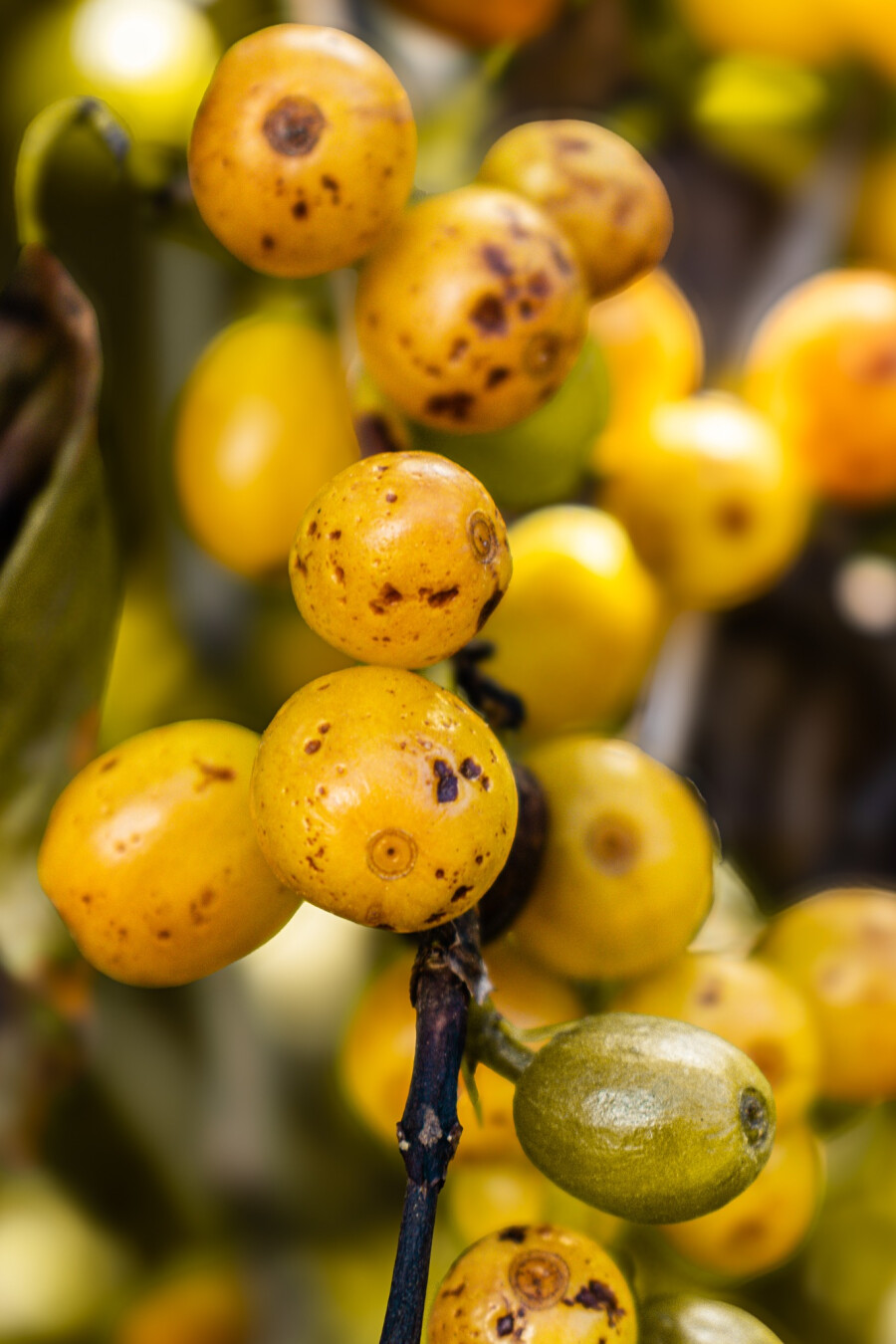
One of the highlights of the trip was our meeting with the Women of Matão. They are organised in an impressively simple way - they have no legal structure, just four loose requirements that are upheld by the group: you must be a woman, produce coffee in the region, show up at meetings and contribute to the group in any way. After some prompting, the group stated that they did not feel valued as a women’s group through our current base price + quality premium structure. As a result, Lennart proposed a “women’s premium”, paid to everyone in the group individually, as a way to reinforce the group in whatever way they see fit. Like a type of basic income, there is no earmark for this premium - everyone in the group can decide how to use it—collectively or individually.
Quickly after this idea was introduced, a lively discussion came about. By paying the extra premium, the attraction to the group would increase. With the group focusing on quality, and now also having some means jointly available, an upward cycle will be created. On an individual level, more farmers will receive a quality differential for the coffee. This money can be used for further quality improvements and stability, generating even more money. But there were also tensions: Some women thought that this money should go to creating an organisational structure while others thought it best to keep the current free form. Also, tensions might arise at home, where women will have to work out in their households how to spend the money.
While our initial proposal to price our Brazilian coffees based on cost of production fell flat, in fact our main goal was to come to the right price for our partner farmers based on their true reality. In a beautiful full circle, this premium fulfils that role in Matão. Every year, we will ask them to propose how high they need the premium to be, based on what their needs are, current market prices, which we will then match with the roasters’ reality to make an acceptable end price - thus creating a value chain based on trust and understanding.
The Value of Dreams.
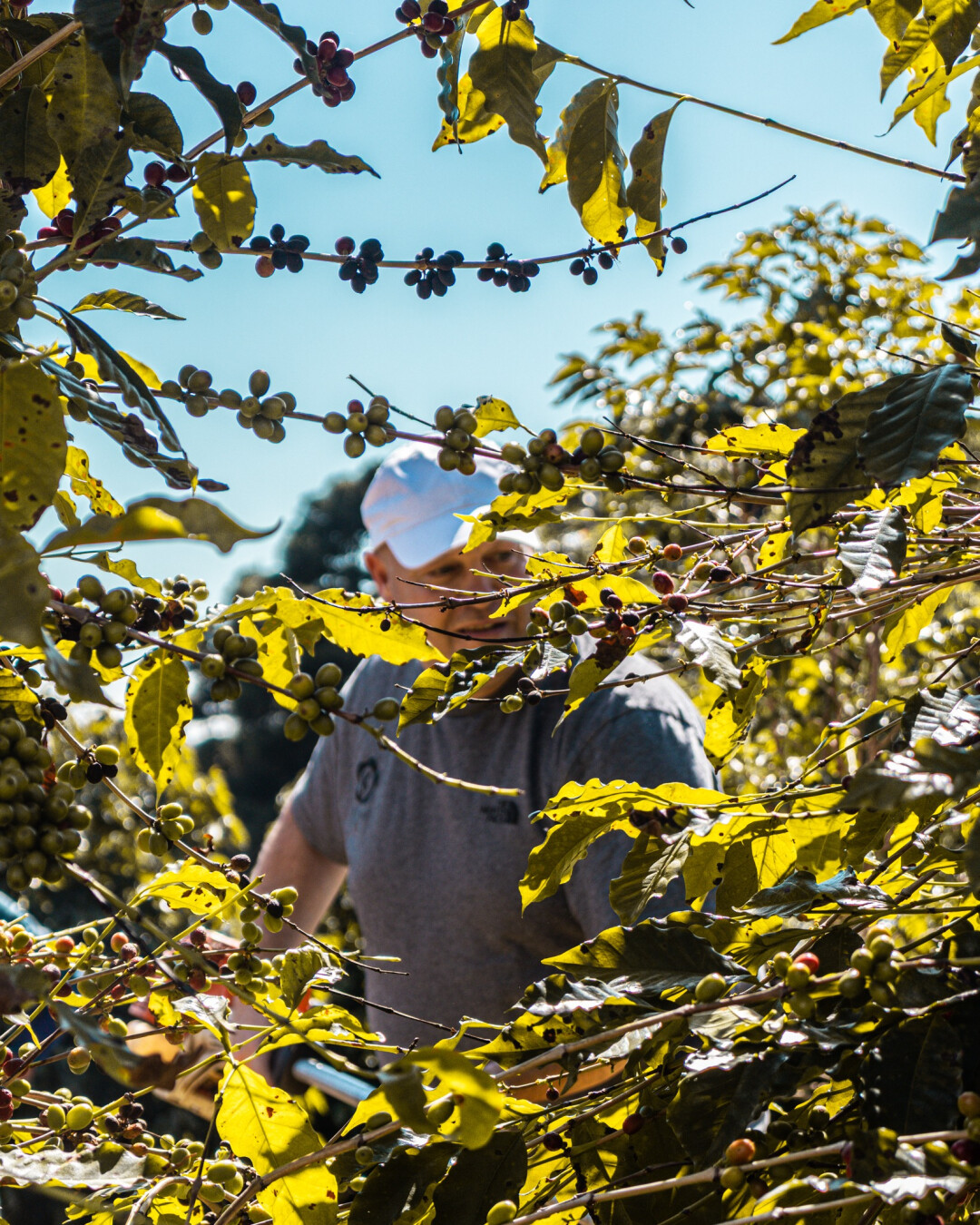
Our intention of listening and being curious was rewarded more than we could imagine. Our understanding of the C market and Matão differential are examples of this, and so was our conversation with Ellen. She told us about her sleepless nights in recent years. She had been struggling to make ends meet, but at the same time had been dreaming of investing in her own dry mill—a move towards independence, stability and more added value. After ten years of working with specialty coffee, with the current market prices, she could finally do it.
When she said this, Lennart looked at me and said, “perhaps this market reflects the real value of coffee. Not based on the cost of production, but on the cost of dreams.” Wesley overheard and corrected us - “the value of dreams”, he said. Regardless of whether the market drops again, we now have a price that we can use as a starting point to put a value on our partners’ dreams, with Capricornio as the stable, trusted partner in the center of a uniquely Brazilian value chain. The mechanisms used might have seemed scary, but after eight years, we finally understand how they are used: to support relationships and foster trust between everyone in the chain - which couldn’t fit our vision more perfectly.
Koffie informatie:
Varieteiten:
Red Bourbon, Yellow Bourbon, Red Catuai, Yellow Catuai, Obata, Topazio, Arara, Red Icatu, IAC 125, Acaia, Ouro Verde, Iapar en Mundo Novo
Verwerking:
Pulped natural
Groeihoogte:
450 – 1200 meter
Locatie:
Piraju – Sao Paulo – Brazilië
Ons aanbod Capricornio koffie - gebrand
Ons aanbod Capricornio koffie - ongebrand


Echter, de cooperatie Capricornio, waarin 20 gepassioneerde boeren hun krachten hebben gebundeld, startte een aantal jaren gelden het Four Seasons project. Dit doen ze in de regio rond de Steenbokskeerkring. Tot 1960 een koffie hotspot, maar door enkele vorstperiodes en de opkomende grote plantages in het noorden een inmiddels vergeten koffieregio. Nu, mede door klimaatveranderingen, is het weer een interessante plaats voor specialty koffie en dat is waar Capricornio koffie van de hoogste standaards produceert.
De hoogte waarop de koffie groeit is laag, maar doordat de koffie erg Zuidelijk (en dus langzaam) groeit, ontwikkeld een smaak die vergelijkbaar is met hoger groeiende koffies meer naar de evenaar. De koffie groeit vanaf 500 meter hoogte en dat betekent dat de winters koud kunnen zijn. Het zijn koffiebonen met een zoete ondertoon, maar ook met een lage densiteit. Wij bieden van Capricornio de Espressoblend aan en de Dulce blend. Beide koffies zijn 100% Arabica maar een blend van meerdere fazendas (plantages). Zodoende zorgt men dat de mix ieder jaar een consistente smaak heeft. De bonen zijn pulped natural en machinaal geplukt.

Deze koffiebonen gaan na de pluk bij de koffieboer naar de cooperatie Capricornio. Hierna worden de bonen direct verscheept naar Rotterdam en door onze handelspartner This Side Up geïmporteerd. De koffie komt daarna direct naar onze branderij.
